Shine Initiative educates youth and young adults on mental health issues, provides local resources in Massachusetts for professional treatment and works to remove the stigma associated with these common illnesses.
Golden Era Gala: 20 Years of Shine! Purchase tickets
You’re Not Alone

1 in 5
13–18 year olds experience a serious mental health condition

3 of 5
people with mental illness do not seek help or treatment

50%
of lifetime cases of mental illness begin by age 14

75%
of lifetime cases of mental illness begin by age 24
Helpful Resources
Meet Our Team

Charisse is a mother of four and “Mimi” to one! She has 20 years of experience working with youth and their families in the nonprofit sector and has a genuine interest for improving the community one youth at a time. She discovered a need for youth programming in her community and decided to create a gender-specific program for young girls called EmPOWER ME!
In addition to being a part of Leadership Worcester's Class of 2020, Charisse was also a collegiate athlete and still enjoys playing basketball when her knees allow. She considers March Madness one of the best times of the year!
Charisse's motto is "Just ask..."

Jessika is a not-so-secret lover of shoes, espresso, and all things that sparkle. She is an accomplished mental health advocate and educator, previously being chosen for Leadership Worcester Class of 2020, and Worcester Business Journal's 40 Under Forty. Most importantly, she is a proud mom of three.
Prior to joining Shine in 2017, she worked for the American Foundation for Suicide Prevention, and was Chair their Out of the Darkness Walk in Worcester for 10 years.
Prior to joining Shine in 2017, she worked for the American Foundation for Suicide Prevention, and was Chair their Out of the Darkness Walk in Worcester for 10 years.
Jessika believes that mental health should be a part of our everyday conversations with youth as we shift the culture towards awareness and understanding.
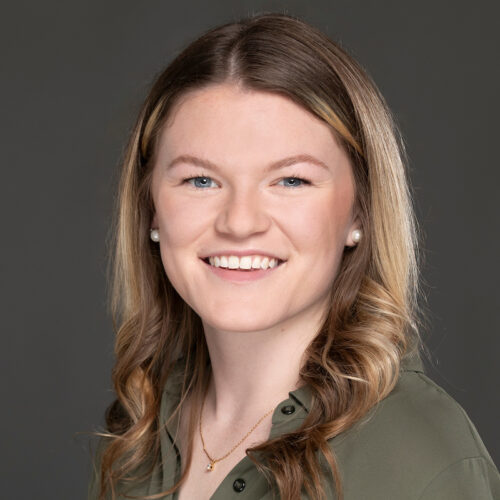
Marissa is a loving dog mom (who is pretty convinced her dog is the cutest) and enjoys spending her free time going for long walks with her family, at the gym or sitting on the couch with a good book. Marissa also spends her weekends traveling all over New England as a wedding photographer.
Marissa graduated with her Bachelor's Degree in Psychology and is very passionate about mental health. As someone who has battled with anxiety, her goal is to support others in similar situations, as well as teach family & friends what they can do to help their loved ones.

Julia is a bilingual coffee lover and foodie whos love of trying new cultural dishes and international travel come from her own Brazilian roots. She is “Titi” to her nephew and enjoys spending her free time with friends and family, going on long walks, and binge watching Netflix.
Julia graduated with her Bachelor’s Degree in Public Health and is passionate about engaging with youth. As someone who has battled anxiety and depression, she advocates for individuals to feel their emotions because there is no shame in not feeling ok at all times. Through her own journey, she has learned to teach family and friends what they can do to support someone in need of extra care.
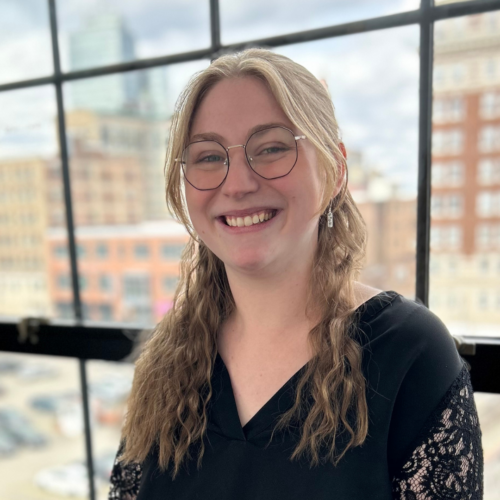
Tessa is an outgoing, curious person who enjoys spending her free time reading, catching up on her favorite tv shows, and seeking out conversations with anyone who will talk to her about their passions. She loves to gain any new knowledge she can, but is particularly interested in learning about other cultures, linguistics and languages, and strategy games. You will never catch Tessa without a cup of coffee flavored with one of her homemade syrups and her headphones on playing reruns of old sitcoms.
Tessa will receive her bachelor’s in Spanish from Clark University in May of 2025 and is working to obtain her Master’s in Teaching the following year. She is incredibly passionate about youth work and is finishing her first year of student teaching at an elementary school in Worcester working in a bilingual classroom. As someone who has struggled with OCD and anxiety and who was a high-school student during the COVID-19 pandemic, Tessa highly values mental health education, especially in schools, and the positive effects that it has on the school community as a whole.


Check out our Mindmatters app to assess your mental health, get support and join the conversation about mind wellness.